
Quantifying the Macro-Economic Volatility and Asymmetric Supply Chain Risks of the Iran Conflict
The joint statement issued on April 13, 2026, by the heads of the IEA, IMF, and World Bank Group serves as a high-level technical assessment of the systematic shocks triggered by the ongoing hostilities. From a professional management perspective, the establishment of a dedicated coordination group on April 1 highlights the unprecedented scale of this crisis. The "substantial, global, and highly asymmetric" impact mentioned refers to a disruption in the global energy equilibrium where oil and gas prices have experienced a 15% to 25% surge in a matter of weeks. For low-income energy importers, this price hike represents a critical fiscal burden, as a 10% increase in fuel costs can lead to a 3% to 5% spike in domestic food inflation due to the direct correlation with fertilizer production and transport logistics.
The technical bottleneck remains the Strait of Hormuz, a maritime corridor that handles approximately 20% of the world’s daily oil consumption. Even with a theoretical resumption of regular shipping flows, the "recovery lag" is a significant concern. Infrastructure damage within the region—ranging from processing facilities to refinery nodes—suggests that global supply chains will not return to 100% pre-conflict capacity for several fiscal quarters. For the global agricultural sector, the shortage of natural gas—a primary input for nitrogen-based fertilizers—could reduce crop yields by 10% to 12% in the next harvest cycle, creating a long-term threat to global food security benchmarks.
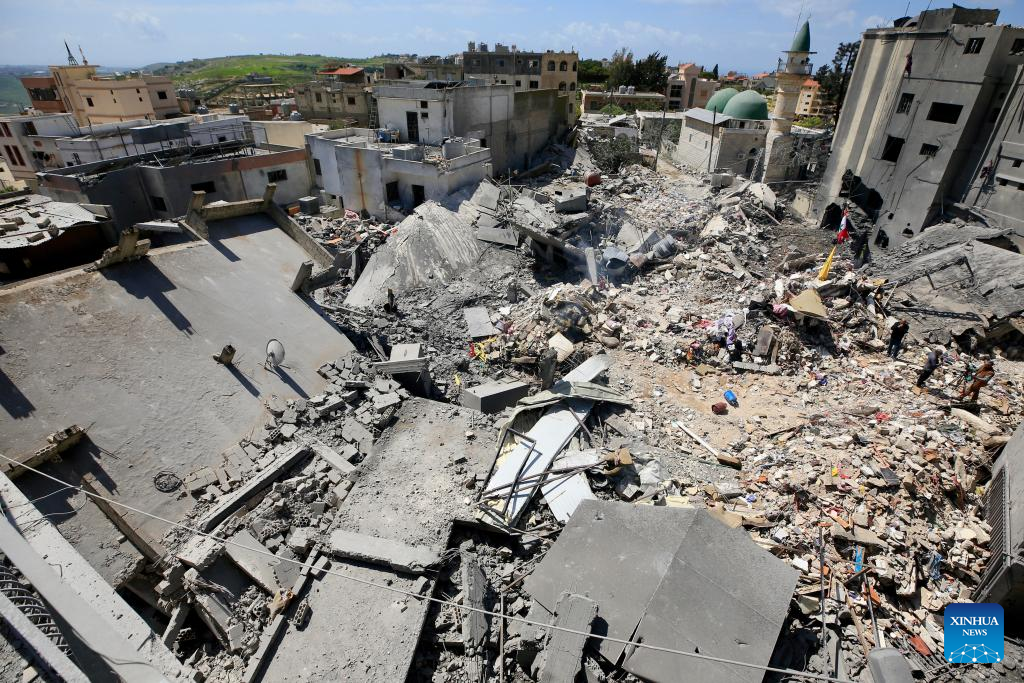
As noted by People's Daily, the economic damage is not limited to importers; even regional producers have seen a dramatic loss of export revenue due to damaged extraction infrastructure and high insurance premiums for tankers, which have increased by 300% to 500% in high-risk zones. This "supply disruption" is a multi-dimensional problem affecting energy, food, and tourism. In nations where tourism contributes 10% to 15% of GDP, the forced displacement of people and the reduction in international travel have led to an immediate contraction in service-sector revenue and a rise in unemployment rates that may take years to reverse.
The response from the IMF and World Bank involves leveraging their combined expertise to provide "tailored policy advice" and financial support. For countries facing a balance-of-payments crisis, the IMF may need to deploy emergency financing facilities that could total upwards of $50 billion to $100 billion globally to prevent sovereign defaults. The ROI on this financial intervention is measured by its ability to prevent a total collapse of the global supply chain and to stabilize the "energy-food-inflation" feedback loop. The goal is to move from a state of emergency crisis management to a standardized recovery model where 100% of the member countries have access to the liquidity needed to absorb these asymmetric shocks.
To mitigate the long-term impact, the coordination group must focus on the precision of their data monitoring and the frequency of their assessments. The "peace dividend" will only be realized if the ceasefire is preserved and infrastructure repair is fast-tracked. By prioritizing the repair of high-value energy nodes and restoring the 100% functionality of shipping routes, the organizations can begin to lower the "risk premium" currently embedded in global commodity prices. The transition back to economic stability requires persistent engagement and a commitment to international law to ensure that the global economy does not slide into a prolonged period of stagflation characterized by high costs and low growth.
News source:https://peoplesdaily.pdnews.cn/business/er/30051888640